

How Auto Repair Services Keep Your Vehicle Safe
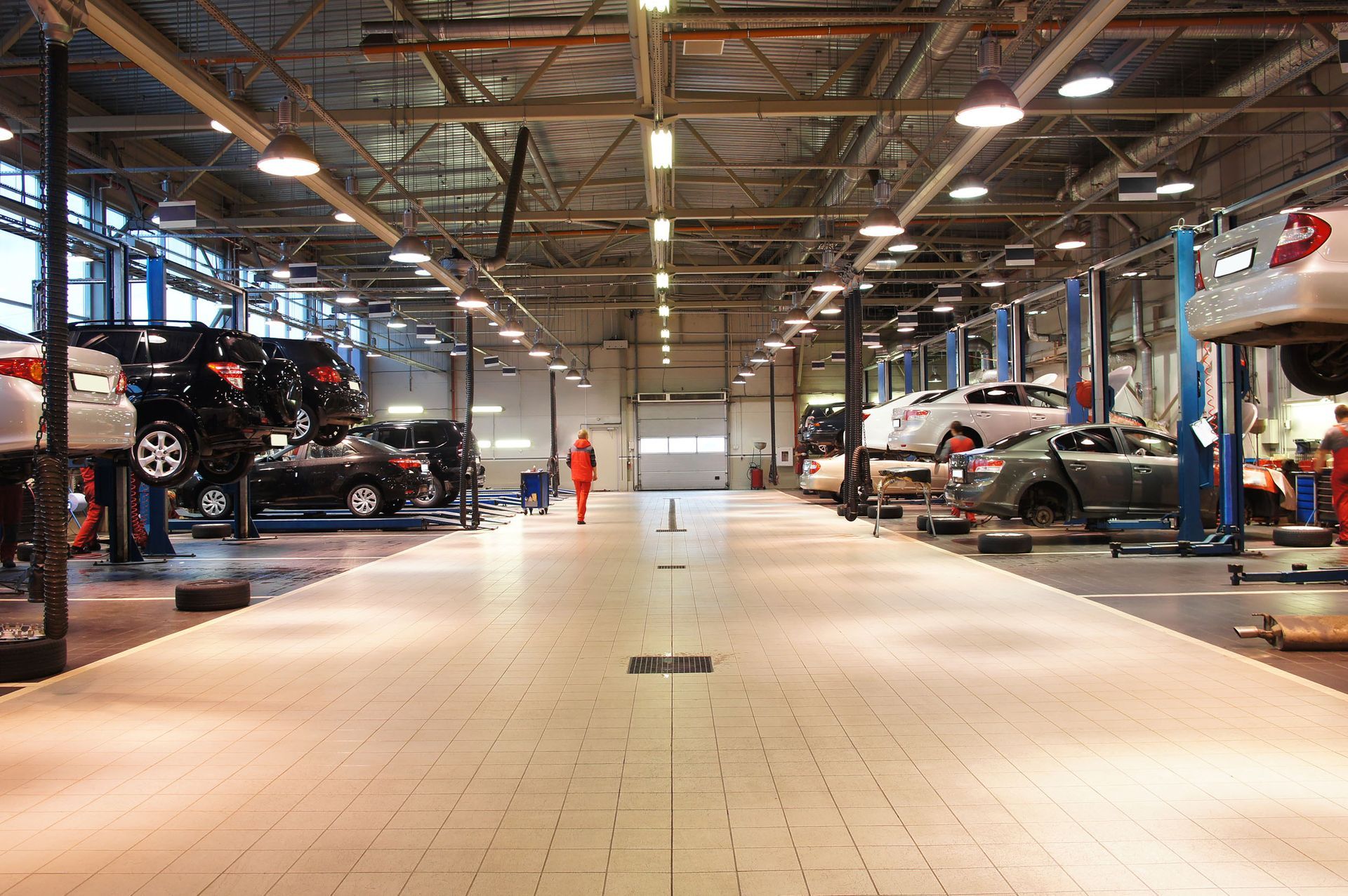
Keeping a vehicle safe requires more than careful driving and following traffic regulations. Every car relies on mechanical, electrical, and safety systems that must work together to provide dependable performance. Over time, everyday driving, changing weather conditions, and normal wear can affect these components. Brakes may become less responsive, tires can lose traction, and suspension parts may deteriorate without immediately noticeable symptoms. Professional auto repairs help address these concerns by identifying mechanical problems, replacing worn components, and restoring proper vehicle operation. Routine inspections and timely maintenance also allow drivers to recognize developing issues before they become serious safety hazards.
1. Maintaining Reliable Braking Performance
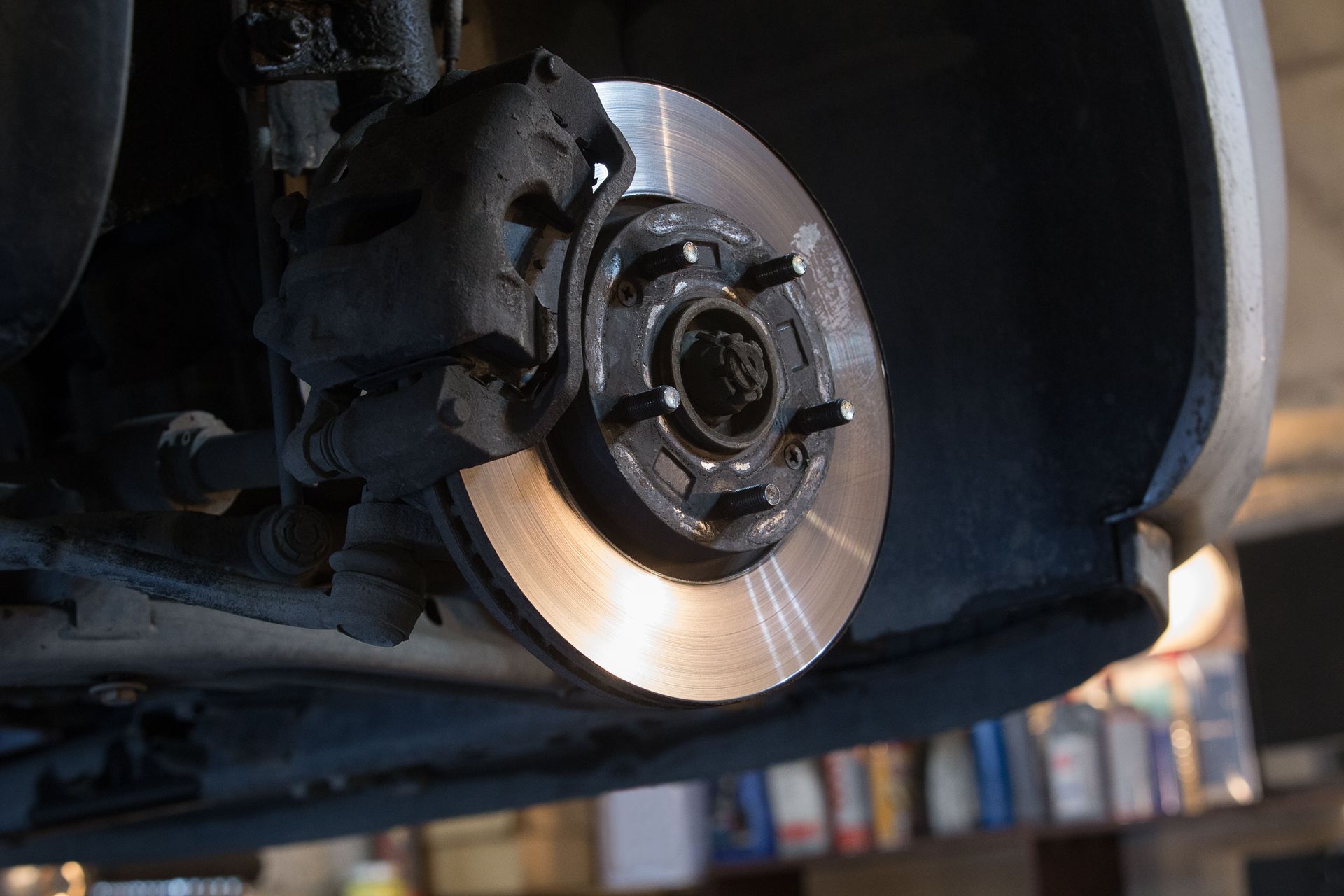
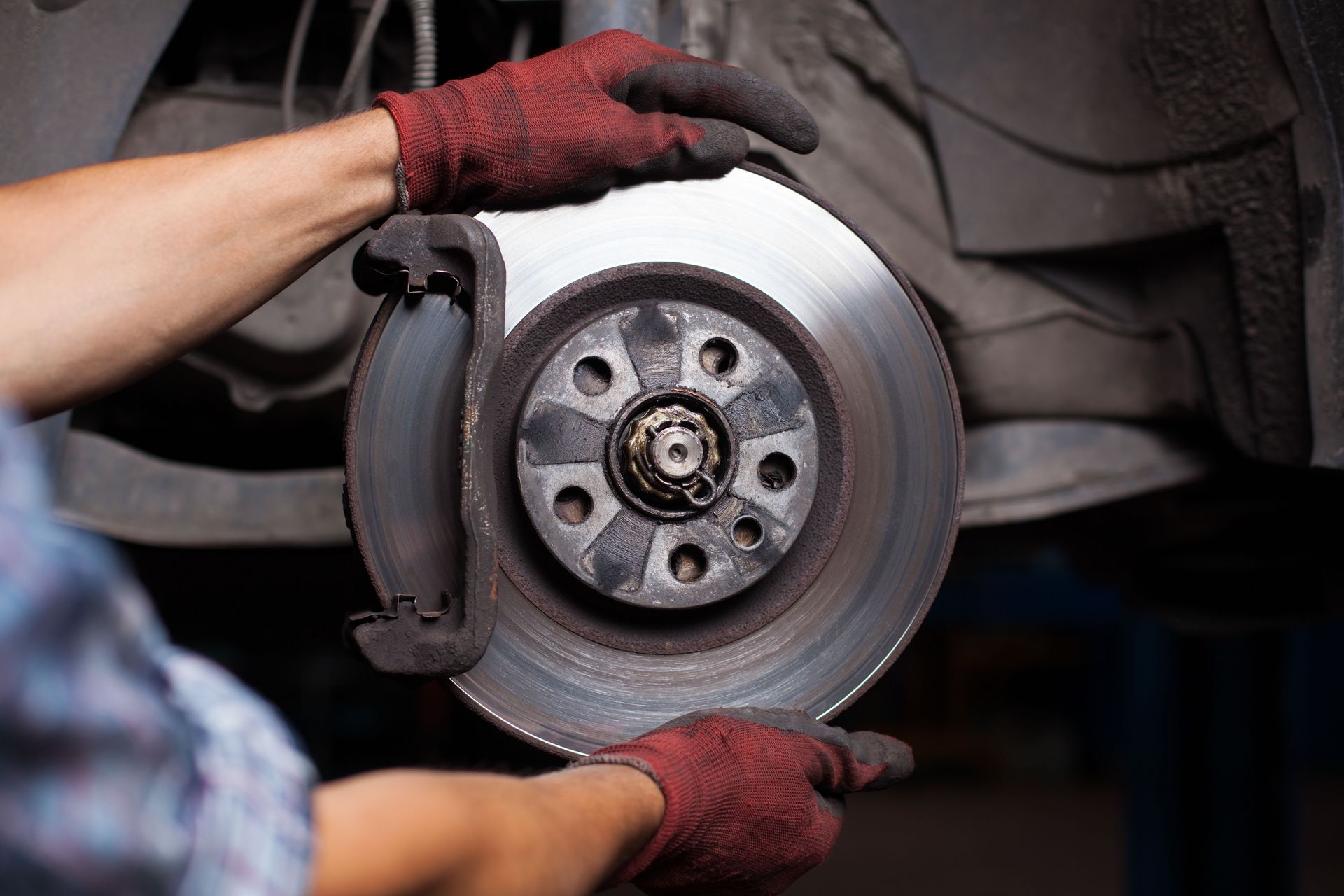
A vehicle's braking system plays an essential role in preventing collisions and maintaining control during unexpected situations. Brake pads, rotors, calipers, and hydraulic components work together to slow or stop a moving vehicle. As these parts experience wear, braking performance may decline. Drivers might notice squealing sounds, vibrations, increased stopping distances, or changes in pedal responsiveness. These symptoms should receive professional attention.
Automotive technicians inspect braking components to identify excessive wear, fluid leaks, damaged parts, and other conditions affecting performance. Depending on the findings, service may involve replacing brake pads, repairing hydraulic components, or addressing fluid problems. Regular brake inspections help motorists understand the condition of their systems and determine when maintenance is necessary. Properly functioning brakes support safer stopping distances and predictable vehicle handling.
2. Identifying Engine Problems Before They Worsen
The engine contains interconnected components responsible for producing power and maintaining reliable operation. Problems involving ignition systems, cooling components, fuel delivery, or lubrication can affect performance and create unsafe driving conditions. Warning signs may include unusual noises, overheating, rough idling, reduced acceleration, or illuminated dashboard indicators. Ignoring these symptoms can allow minor problems to develop into complicated mechanical failures.
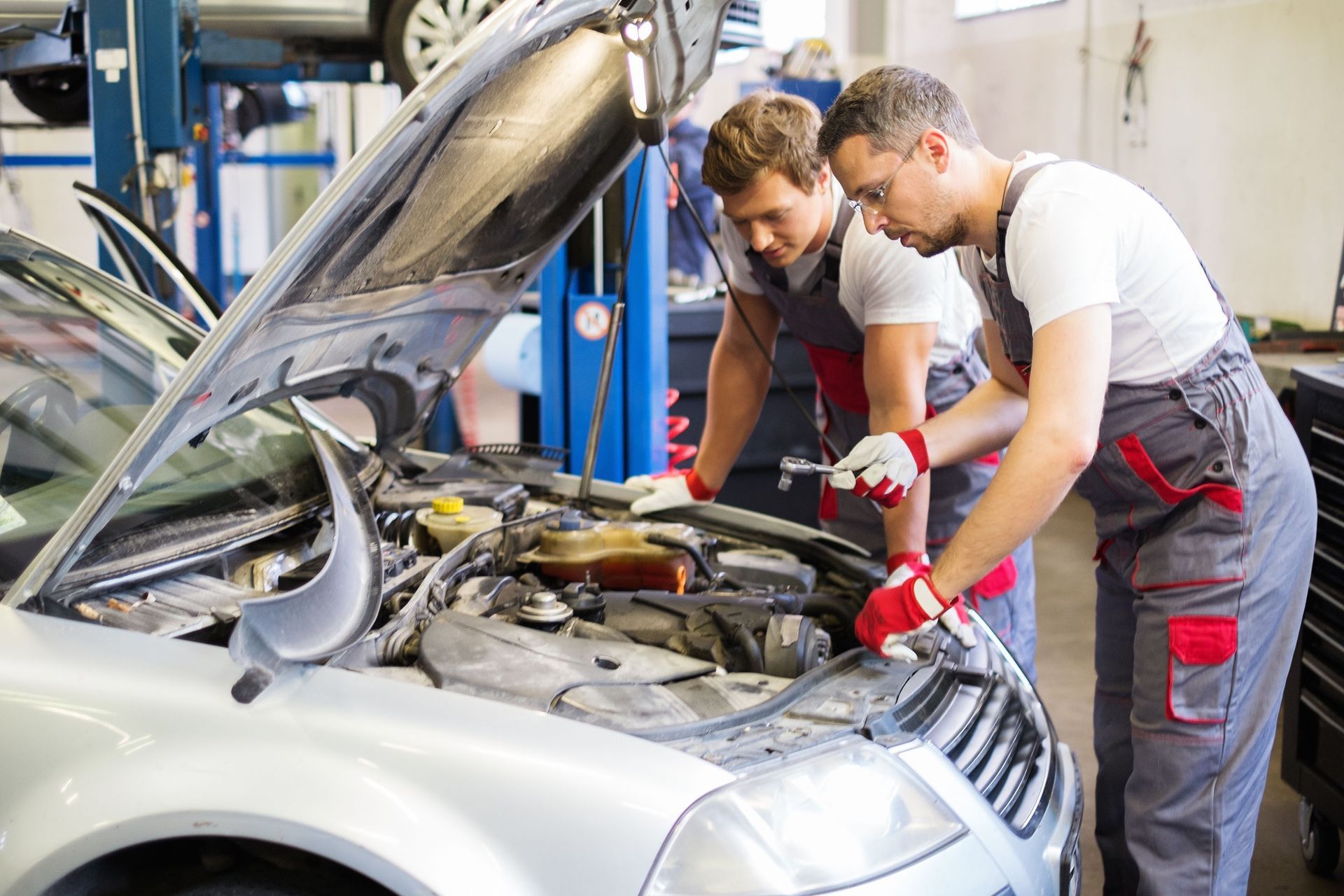
Professional auto repairs often begin with diagnostic testing and an evaluation of reported symptoms. Technicians may examine engine performance data, inspect related components, and identify conditions requiring correction. Addressing problems promptly can reduce the likelihood of unexpected breakdowns. Proper engine maintenance also helps drivers maintain consistent acceleration and dependable operation when merging into traffic, navigating intersections, or traveling on highways.
3. Preserving Proper Tire Condition and Traction
Tires provide the contact between a vehicle and the road, making their condition essential for steering, braking, and stability. Uneven tread wear, improper inflation, sidewall damage, and insufficient tread depth can reduce traction. These problems may become particularly dangerous during heavy rain, snow, or sudden maneuvers. Drivers should regularly examine their tires and remain alert to vibrations, pulling, or handling changes.
Automotive professionals can inspect tire condition, measure tread depth, check inflation pressures, and identify unusual wear patterns. Depending on the findings, technicians may recommend tire rotation, balancing, alignment correction, or replacement. Maintaining suitable tires supports predictable handling and effective braking under changing road conditions. Tire inspections can also reveal suspension or steering problems requiring additional attention.
4. Correcting Steering and Suspension Concerns
Steering and suspension systems help drivers maintain directional control while keeping the vehicle stable over uneven surfaces. Components such as tie rods, control arms, ball joints, shocks, and struts can gradually deteriorate. Worn parts may contribute to excessive bouncing, unusual noises, uneven tire wear, or difficulty maintaining a straight path. These symptoms can make vehicle handling less predictable during turns or emergency maneuvers.
Qualified technicians evaluate steering responsiveness, inspect suspension components, and check for looseness or visible damage. When necessary, auto repairs may involve replacing worn joints, repairing steering components, or correcting alignment problems. Addressing these issues helps maintain vehicle stability and consistent road contact. Proper suspension performance also supports passenger comfort and reduces unnecessary strain on tires and related steering hardware.
5. Ensuring Dependable Lighting and Visibility
Visibility is essential for safe driving, especially during nighttime travel, heavy rain, fog, or challenging conditions. Headlights, brake lights, turn signals, and windshield wipers help drivers see surrounding hazards and communicate their intentions. Malfunctioning lights or deteriorated wiper blades can limit visibility and increase the difficulty of responding to changing traffic conditions. Electrical problems may also cause intermittent lighting failures.
Professional inspections can identify burned-out bulbs, damaged wiring, faulty switches, and other issues affecting exterior lighting. Technicians may also examine windshield wipers, washer systems, and related electrical components. Replacing worn parts and correcting malfunctions helps drivers maintain a clearer view of the road. Functional lighting also makes vehicles more noticeable to pedestrians and other motorists.
6. Monitoring Critical Vehicle Fluid Systems
Vehicles depend on several fluids to lubricate components, regulate temperatures, and support mechanical operation. Engine oil, coolant, brake fluid, and transmission fluid each perform important functions. Low fluid levels, contamination, or leaks can interfere with these systems and contribute to mechanical problems. Some issues develop gradually, while others can cause sudden performance changes that leave drivers stranded.
During scheduled maintenance or auto repairs, technicians can inspect fluid levels, evaluate fluid condition, and investigate suspected leaks. Recommended services may include replacing deteriorated fluids, repairing damaged hoses, or addressing faulty seals. Following manufacturer maintenance guidelines helps drivers avoid unnecessary component wear and recognize problems early. Maintaining appropriate fluid conditions supports dependable operation and reduces the likelihood of mechanical failures.
7. Evaluating Electrical and Battery Performance
Modern vehicles rely on electrical systems for starting, lighting, engine management, and safety-related functions. A weak battery, malfunctioning alternator, or damaged electrical connection can interfere with these operations. Drivers may notice slow engine cranking, dim headlights, intermittent dashboard warnings, or unexpected electronic malfunctions. Because electrical problems can affect several systems simultaneously, identifying the underlying cause is important.
Automotive technicians use testing equipment to evaluate battery condition, charging performance, and electrical connections. They may inspect wiring, fuses, and related components when symptoms suggest a broader problem. Replacing failing parts or correcting connection issues can improve reliability and reduce unexpected starting difficulties. Accurate diagnosis is valuable because similar symptoms may originate from different electrical components.
8. Addressing Dashboard Warnings and Diagnostic Codes
Dashboard warning indicators alert drivers to conditions that may require immediate attention or further investigation. Depending on the vehicle, these warnings can involve engine performance, braking systems, tire pressure, airbags, or electronic stability controls. Some indicators identify minor concerns, while others signal problems affecting safe operation. Understanding the difference helps drivers respond appropriately and avoid driving when serious hazards are present.
Professional auto repairs may involve electronic diagnostic equipment that retrieves stored trouble codes and provides information about monitored vehicle systems. However, diagnostic codes do not always identify the exact failed component. Technicians must interpret the information alongside inspections and additional testing. This process helps determine appropriate corrective measures and reduces guesswork. Addressing warning indicators promptly helps maintain important vehicle safety features.
9. Encouraging Consistent Preventive Maintenance
Preventive maintenance helps motorists manage vehicle wear before significant mechanical problems develop. Manufacturer recommendations commonly address oil changes, filter replacements, tire rotations, brake inspections, and other scheduled services. Maintenance needs vary according to vehicle age, mileage, driving conditions, and manufacturer specifications. Following an appropriate schedule allows technicians to monitor component condition and identify concerns that might otherwise remain unnoticed.
According to Gitnux, more than 160,000 automotive repair facilities are currently in operation across the United States. With many service providers available, drivers can prioritize qualified technicians who communicate findings clearly and recommend appropriate maintenance. Keeping service records helps track completed auto repairs and identify recurring issues. Consistent inspections, responsible driving habits, and timely mechanical attention support safer vehicle operation throughout ownership.
Professional automotive maintenance plays an important role in protecting drivers, passengers, and other road users. Braking systems, tires, steering components, lighting, and electrical equipment require attention to maintain dependable performance. Recognizing unusual sounds, dashboard warnings, fluid leaks, and handling changes allows motorists to seek assistance before problems become serious. Regular inspections help identify developing mechanical concerns and support informed maintenance decisions. Although no service can eliminate every possibility of a breakdown or accident, properly maintained vehicles are better equipped to respond to everyday driving demands. Investing in timely auto repairs can help preserve vehicle reliability, support safer operation, and reduce unexpected disruptions. For professional automotive service and assistance with maintaining your vehicle's safety, contact Munich West Inc today.





Share On: