

Auto Brake Repair vs. Replacement: What's Best For Your Vehicle?
Keeping your vehicle's braking system in peak condition is essential for both safety and performance. Whether you are dealing with worn brake pads, warped rotors, or hydraulic issues, deciding between repair and full replacement can feel overwhelming. Understanding how each component functions and recognizing early warning signs can help you make a cost-effective and safe decision. This guide breaks down the essentials so you can determine when auto brake repair is sufficient and when replacement is the smarter long-term investment.
Modern vehicles are built with increasingly advanced braking technologies, which makes proper maintenance even more important. Drivers who stay proactive with inspections and servicing often avoid costly breakdowns and maintain better control on the road. Taking the time to understand your braking system empowers you to make smarter, safer decisions over the life of your vehicle. It also helps you communicate more effectively with technicians, ensuring you receive the right service without unnecessary upselling or confusion.
Understanding Your Brake System
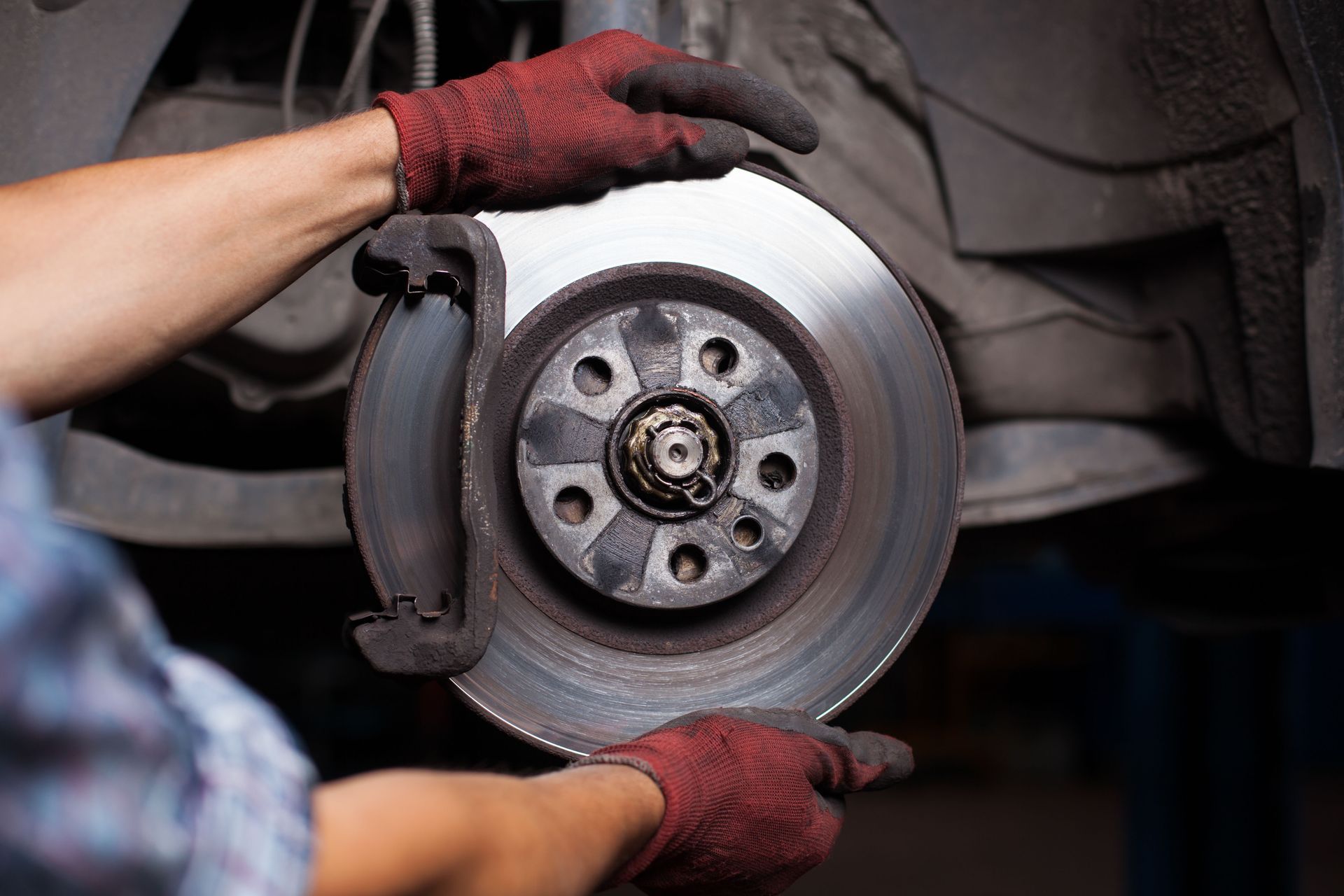
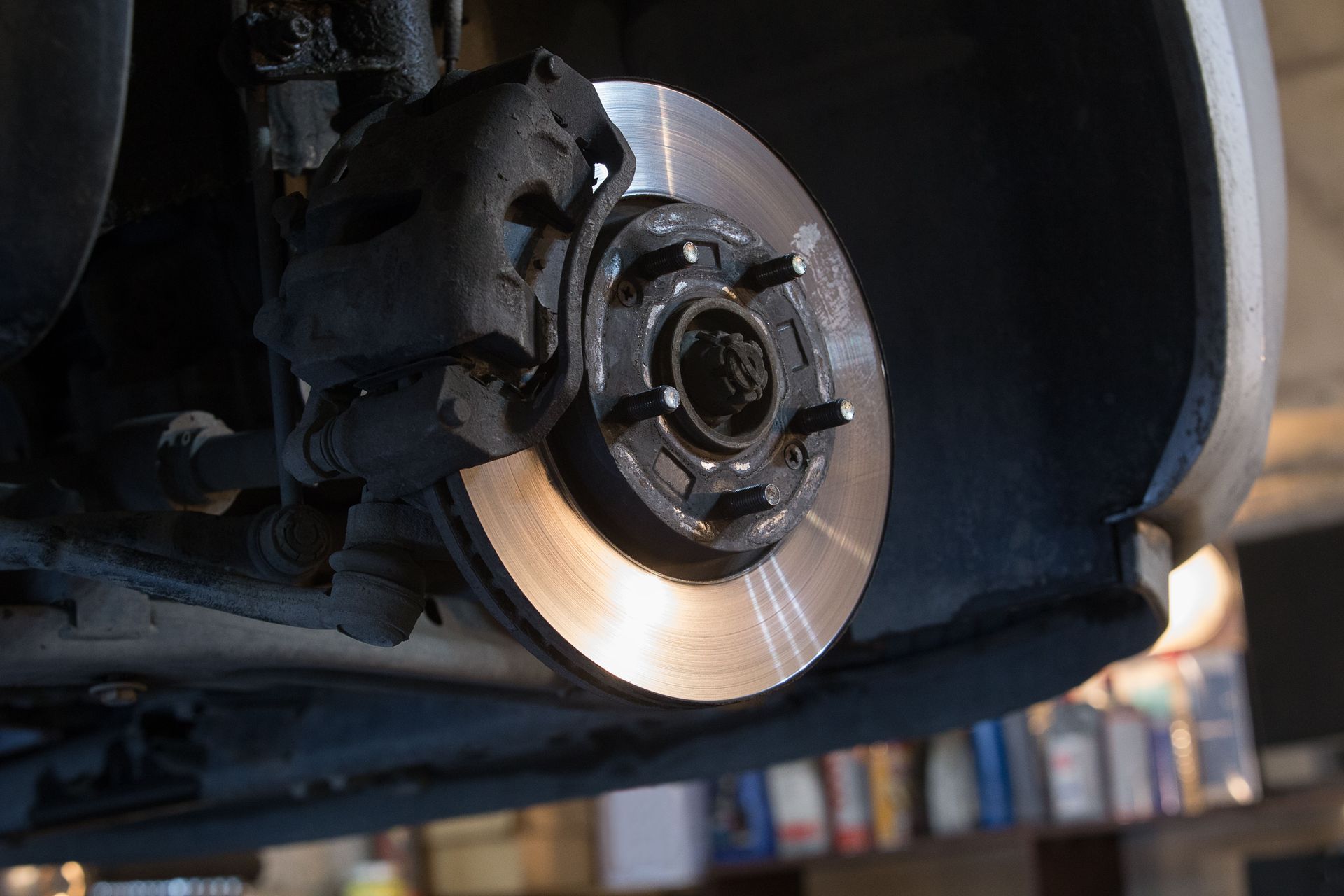
Your vehicle's braking system is made up of several interconnected components, each playing a critical role. Brake pads and rotors create the friction needed to slow your car, while calipers apply pressure to bring everything into motion. Brake fluid transfers force through the system, and lines and hoses ensure that hydraulic pressure reaches each wheel.
Over time, these parts wear down due to constant use, heat, and environmental exposure. Brake pads thin out, rotors may warp, and fluid can absorb moisture that reduces effectiveness. Even components like calipers can stick or fail, leading to uneven wear. Regular inspections help identify whether a simple fix will suffice or if replacement is necessary to maintain consistent braking performance.
When all parts function together properly, your vehicle stops smoothly and safely. However, even minor issues can quickly escalate if ignored, making it important to address problems early through proper maintenance or auto brake repair. Preventative care not only improves performance but also reduces the likelihood of unexpected failures during critical driving moments. Keeping detailed service records can also help track wear patterns and predict when future maintenance will be needed.
Knowing When Your Brakes Need Attention
Recognizing early warning signs can prevent more extensive damage and keep repair costs manageable. Unusual noises are often the first indication of trouble. Squealing may signal worn brake pads, while grinding can indicate metal-on-metal contact that risks damaging rotors. Clicking sounds may point to loose components within the system.
Vibrations or pulsing when braking often suggest warped rotors or alignment issues. These sensations reduce braking efficiency and should be inspected promptly. Another major red flag is increased stopping distance, which may result from worn components, fluid leaks, or air in the brake lines.
Brake pedal performance also provides important clues. A soft or spongy pedal can indicate air in the system or low fluid levels, while a stiff pedal may point to booster issues. Dashboard warning lights should never be ignored, as they often signal problems with brake fluid levels or the ABS system.
Given that according to Shiner Law Group, 13 accidents happen every minute or 6.75 million annually, ensuring your braking system is in optimal condition is critical for safe driving. Addressing these symptoms early with auto brake repair can prevent more serious and costly issues down the road. Staying attentive to these signs ensures your vehicle remains reliable in both routine and emergency situations. Being proactive about these indicators can also improve overall vehicle longevity and reduce long-term ownership costs.
Choosing the Right Time to Repair
In many cases, repairing specific components is the most practical and cost-effective solution. If brake pads are worn but rotors remain in good condition, replacing the pads alone can restore performance. Similarly, minor rotor imperfections can often be corrected through resurfacing rather than full replacement.
Calipers that show early signs of wear may be rebuilt instead of replaced, saving money while extending their lifespan. Brake fluid flushes are another common maintenance task that improves system performance without requiring major part replacements. These types of targeted fixes fall under routine auto brake repair and are typically sufficient when damage is minimal.
Repair is especially ideal when the rest of the braking system is in good shape. It allows you to maintain safety without incurring the higher costs associated with full replacement. However, the effectiveness of repairs depends on timely action. Delaying service can turn a simple fix into a more complex and expensive problem. Consistent upkeep ensures small issues never evolve into major failures. It also provides drivers with confidence that their vehicle will perform reliably in daily driving conditions.
Knowing When Replacements are Wise
There are situations where replacing components entirely is the safer and more economical option in the long run. Severely worn brake pads that have damaged rotors often require both parts to be replaced. Warped or cracked rotors cannot always be resurfaced effectively and may compromise braking performance if left in place.
Brake lines that show corrosion or leaks should be replaced immediately, as failure can lead to complete brake loss. Similarly, malfunctioning calipers that stick or fail repeatedly are better replaced than repaired. In vehicles with advanced systems like ABS, electronic component failure may also necessitate replacement rather than repair.
While replacement involves a higher upfront cost, it provides long-term reliability and peace of mind. New components typically come with warranties and improved durability, reducing the likelihood of recurring issues. In these cases, choosing replacement over repeated auto brake repair can ultimately save money and enhance safety. It also ensures that all parts work together seamlessly, restoring the system to like-new condition. This approach is especially beneficial for older vehicles or those subjected to demanding driving conditions.
Making the Best Decision Regarding Cost
Choosing between repair and replacement often comes down to balancing short-term costs with long-term value. Repairs are generally less expensive upfront and can extend the life of your braking system when performed early. However, repeated repairs on aging components may add up over time and fail to address underlying issues.
Replacement, while more costly initially, offers greater durability and consistency. It eliminates the risk of compounded wear across multiple components and ensures that your braking system operates at peak efficiency. For drivers who plan to keep their vehicles long-term, investing in replacement can be the more practical option.
Other factors to consider include driving habits, vehicle age, and overall condition. Frequent stop-and-go driving, towing, or harsh weather conditions can accelerate brake wear, making replacement more likely. A professional inspection can help you weigh these variables and determine whether repair or replacement aligns best with your needs and budget. Taking a proactive approach helps ensure your braking system performs reliably under all conditions. Planning ahead for maintenance expenses can also make larger repairs or replacements more manageable over time.
Deciding between repair and replacement is a crucial aspect of maintaining your vehicle's safety and performance. While minor issues can often be resolved through
auto brake repair, more severe wear or damage may require full component replacement to ensure reliable stopping power. By understanding how your braking system works and recognizing early warning signs, you can make informed decisions that protect both your vehicle and everyone on the road. Consistent maintenance and timely service ultimately provide peace of mind and a safer driving experience. Making the right choice today can prevent costly repairs and dangerous situations in the future. For more information on your brakes, reach out to Munich West Inc, and see how our trained technicians can help you out today!






Share On: