

How Driving Habits Affect Your Brake System
Vehicles require constant maintenance to achieve optimal performance. The braking mechanisms undergo immense stress during every journey. Motorists dictate the lifespan of these crucial components through precise actions behind the wheel. A mindful approach behind the steering wheel extends the longevity of these parts, while reckless habits accelerate wear. Drivers hold the power to dictate mechanical longevity through conscious decisions. Understanding mechanical limits prevents premature component degradation.
Recognizing the correlation between driver behavior and mechanical degradation remains essential for vehicle owners. Motorists fail to realize that mundane commutes determine when mechanical failures arise. Unconscious tendencies at the steering wheel contribute to premature wear. Through education, drivers gain the knowledge to modify their techniques, avoid an expensive auto brake repair, and maintain optimal vehicle safety. Awareness prevents catastrophic mechanical failures on the road. Preventing severe damage requires conscious effort.
Understanding the Impact of Aggressive Driving
Aggressive maneuvers compromise vehicle integrity. Motorists who accelerate with intense force only to slam on the pedal create massive heat buildup. Friction materials degrade at an accelerated pace under such intense conditions. This extreme heat warps metal components, reducing their effectiveness over time. Drivers exhibiting this behavior guarantee premature component failure and increased safety risks. Extreme heat destroys the fundamental structure of the friction materials. Intense friction reduces mechanical reliability.
The friction generated by sudden stops causes rapid material deterioration. Braking components rely on gradual friction to halt a heavy machine in a smooth manner. Forcing these components to halt a heavy machine without warning pushes the materials past their thermal limits. The pads glaze over, losing their essential grip. This glazing process leads to diminished stopping power and severe safety concerns. Hard stops compromise system integrity.
Such destructive patterns necessitate early intervention. Motorists operating vehicles with compromised braking power face extended stopping distances. Delaying maintenance exacerbates the underlying damage, affecting rotors and calipers. Addressing the issue without delay prevents catastrophic failures. As a result, chronic aggressive drivers require an auto brake repair much sooner than careful motorists. Ignoring compromised components guarantees complete system failure. Proactive maintenance saves motorists from disastrous collisions.
Modifying these forceful habits preserves the entire braking mechanism. Coasting to a stop allows the vehicle to lose momentum in a natural manner. This technique minimizes the kinetic energy the friction pads must absorb. Drivers adopting smooth transitions protect their mechanical systems from thermal shock. Such mindful techniques ensure the parts operate within their designed parameters. Gentle pedal application extends component life. Smooth deceleration requires minimal friction.
Recognizing the Effects of Constant Braking
Resting a foot on the pedal generates continuous friction. Motorists perform this action without conscious thought. This habit keeps the pads in constant contact with the spinning rotors. The resulting friction produces unrelenting heat that degrades the mechanical materials. Such constant engagement prevents the system from cooling. Without adequate cooling, the structural integrity of the pads diminishes. Constant pressure destroys friction surfaces.
Downhill descents trigger this continuous engagement habit. Drivers traversing steep grades tend to ride the pedal to control their speed. This prolonged pressure boils the hydraulic fluid within the lines. Degraded hydraulic fluid creates a spongy pedal feel and reduces system responsiveness. Engine deceleration offers a superior alternative for speed management on steep grades. Shifting to lower gears prevents catastrophic heat buildup. Gravity magnifies thermal stress on parts.
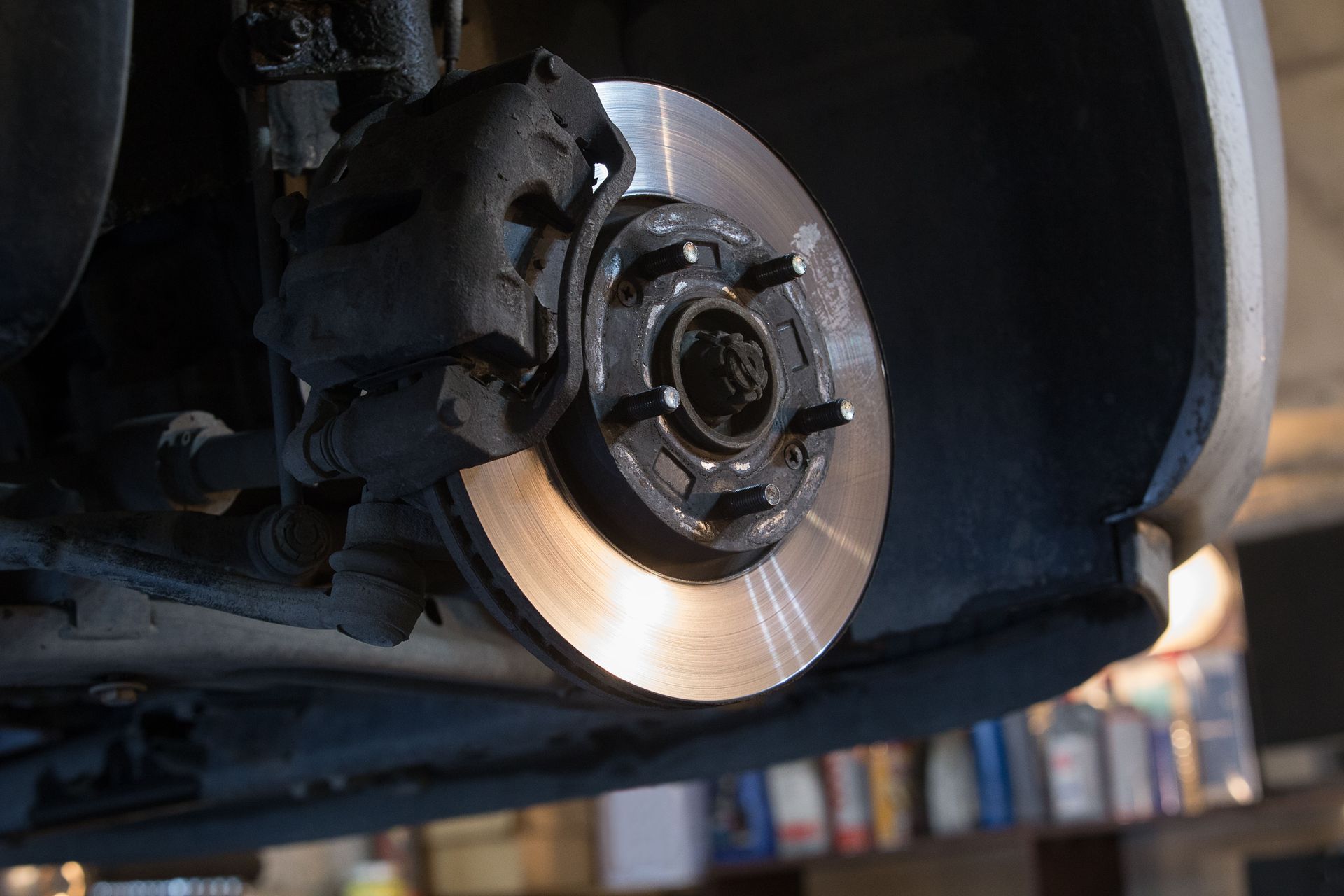
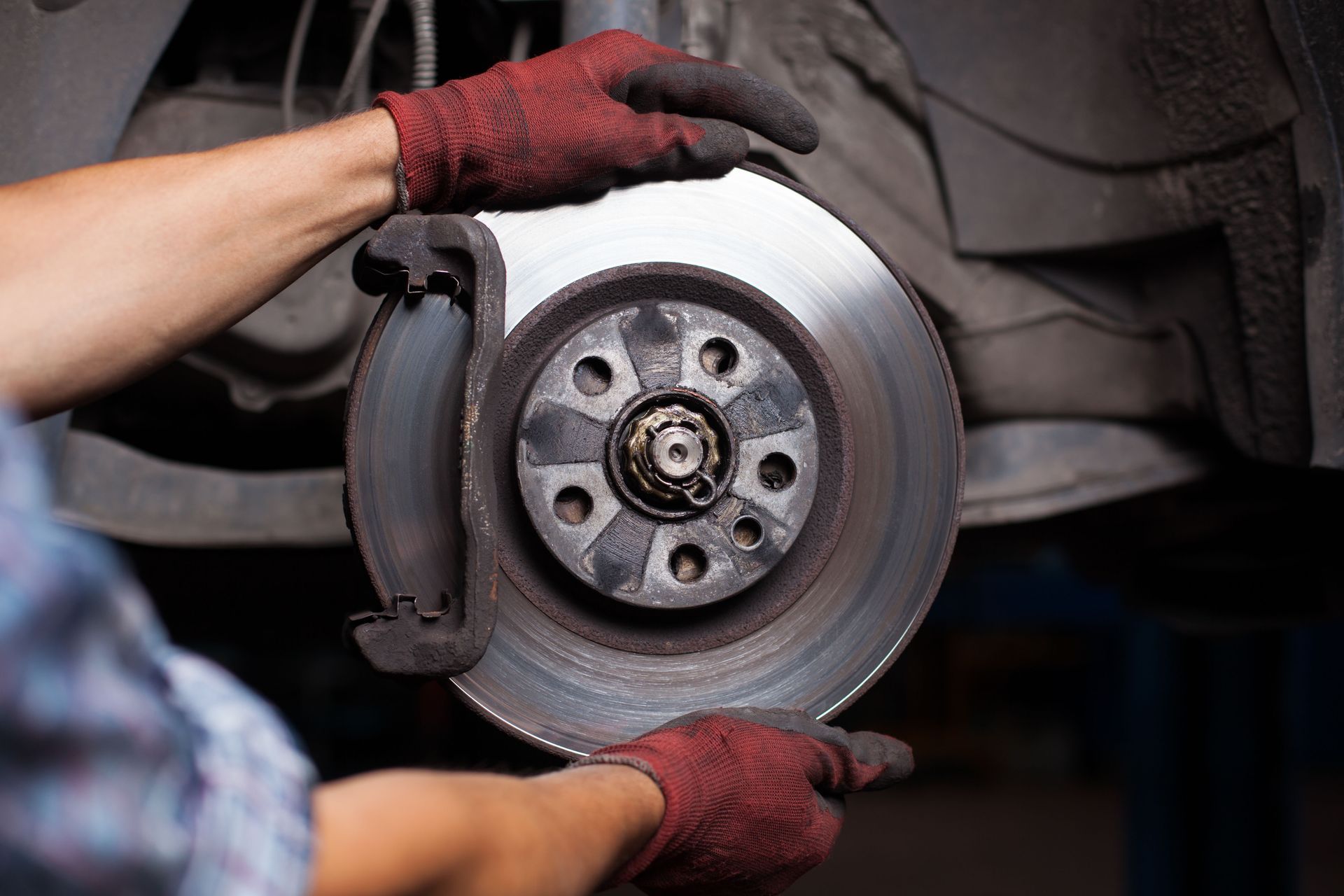
Unnecessary pressure translates to massive financial burdens. The constant grinding diminishes the pad thickness at an alarming rate. Thin pads allow bare metal to grind against bare metal, scoring the rotors. Mechanics must replace scored rotors in full. This severe damage leads motorists straight into an expensive auto brake repair. Protecting the rotors requires mindful pedal application. Metal grinding produces irreversible component damage.
Motorists can adopt alternative speed control techniques to protect their vehicles. Leaving ample space between cars reduces the need for continuous speed adjustments. Anticipating traffic flow allows motorists to slow down by releasing the accelerator. These proactive strategies keep the friction materials cool. Conserving these components extends their functional lifespan. Improved spacing creates a buffer zone that eliminates panic stops. Distance management reduces friction pad utilization.
Managing the Strain of Heavy Loads
Vehicles carrying excess cargo place immense strain on braking components. Additional weight increases the kinetic energy required to halt the machine. The friction materials must work harder to counteract this amplified mass. Towing trailers or hauling heavy equipment pushes standard components beyond their intended capacity. Drivers must acknowledge this physical reality. Upgrading components provides extra thermal capacity. Heavy machinery requires enhanced stopping capabilities.
Upgrading components becomes necessary for motorists who haul cargo on a routine basis. Standard factory parts lack the thermal capacity for repeated heavy hauling. High-performance pads and slotted rotors dissipate heat with better efficiency. These specialized parts withstand the extreme temperatures generated by heavy loads. Installing heavy-duty components prevents premature system failure. Specialized parts handle thermal stress without glazing. Enhanced materials resist heat fade.
Routine inspections become paramount for vehicles tasked with hauling weight. Mechanics look for signs of excessive wear, thermal cracking, and fluid degradation. Catching these issues before they escalate keeps the vehicle safe for travel. Neglecting routine checkups while hauling excessive weight leads directly to a massive auto brake repair. Proactive maintenance prevents accidents caused by faded friction pads. Routine checkups guarantee cargo transport safety.
Highway travel offers a different scenario compared to heavy hauling. According to Cars.com, commuters who primarily drive on the highway, where the brakes are rarely applied, can go 70,000 miles or more before replacing their brakes. Cruising at consistent speeds requires minimal friction engagement. The components remain cool and functional. Open roads present ideal conditions for long-lasting mechanical health. Unobstructed cruising prevents thermal degradation. Highway commutes extend part lifespans.
Navigating the Consequences of Urban Commutes
City environments present unique challenges for mechanical longevity. Stop-and-go traffic forces drivers to engage the friction pedal without pause. Each traffic light and crosswalk demands an additional cycle of friction and heat. This repetitive action wears down the pad material faster than open highway cruising. Urban drivers face accelerated maintenance schedules. Constant engagement prevents adequate cooling airflow from reaching the wheel assembly. City grids demand constant stopping.
The dense nature of city driving leaves minimal room for error. Motorists must react to unpredictable pedestrians and erratic drivers. These sudden hazards force emergency stops, generating massive heat spikes within the wheels. Vehicles operating in these conditions achieve minimal cooling airflow. The trapped heat accelerates the degradation process. Reduced airflow guarantees that friction pads remain at elevated temperatures throughout the commute. Dense traffic restricts air circulation.
Routine maintenance schedules must reflect the reality of urban environments. City motorists cannot rely on standard mileage intervals for component inspections. The sheer volume of pedal engagements dictates a rigorous inspection routine. Ignoring the grinding sounds of worn pads results in a complex auto brake repair. Timely replacements prevent catastrophic mechanical failures. Addressing strange noises guarantees continued safety in dense traffic. Frequent checks prevent unexpected part failures.
Anticipating traffic patterns mitigates the damage of city driving. Motorists who look ahead can utilize engine deceleration instead of friction pads. Coasting toward red lights reduces the thermal load on the wheels. These minor adjustments in driving style yield major benefits for vehicle longevity. Thoughtful driving protects the entire stopping mechanism. Maintaining a steady pace prevents unnecessary mechanical wear. Looking ahead eliminates sudden halts.
Protecting these crucial safety components requires ongoing vigilance and modified habits. Drivers who prioritize smooth transitions save money and avoid mechanical breakdowns. Ignoring the warning signs of degradation guarantees a comprehensive auto brake repair. Responsible driving translates to enduring mechanical health and financial savings. If your driving habits have taken a toll on your braking system, bring your vehicle to us at Munich West Inc for a thorough inspection. We are ready to perform your next auto brake repair and get you safely back on the road.









Share On: