

Common Audi Repairs and How to Spot the Early Warning Signs
Engine performance issues are among the most common concerns drivers may encounter over time, especially in vehicles with advanced engineering systems. A professional approach to identifying these issues early can help prevent more extensive mechanical damage. Audi repairs often begin with subtle signs such as reduced acceleration, unusual idling behavior, or inconsistent fuel efficiency. These early indicators should never be ignored, as they frequently signal underlying issues within the engine system. According to JD Power, the industry average for vehicle problems after three years of ownership is 202 problems per 100 vehicles, which is a 6% increase from the year before. This trend highlights how modern vehicles can develop multiple issues relatively early in their lifespan. Addressing concerns promptly helps maintain performance and reliability.
Identifying Transmission Irregularities Before Failure
Transmission systems are highly complex and play a critical role in vehicle operation. When issues begin to develop, drivers may notice delayed shifting, rough gear transitions, or unexpected changes in engine RPM. Audi repairs involving transmissions often require detailed diagnostics to determine whether the issue stems from fluid conditions, mechanical wear, or electronic control components. Early detection of transmission irregularities can significantly reduce the likelihood of more costly system failures. Paying attention to subtle changes in driving behavior can help identify problems before they escalate. Consistent monitoring of transmission performance supports smoother and more reliable vehicle operation.
Recognizing Brake System Warning Indicators
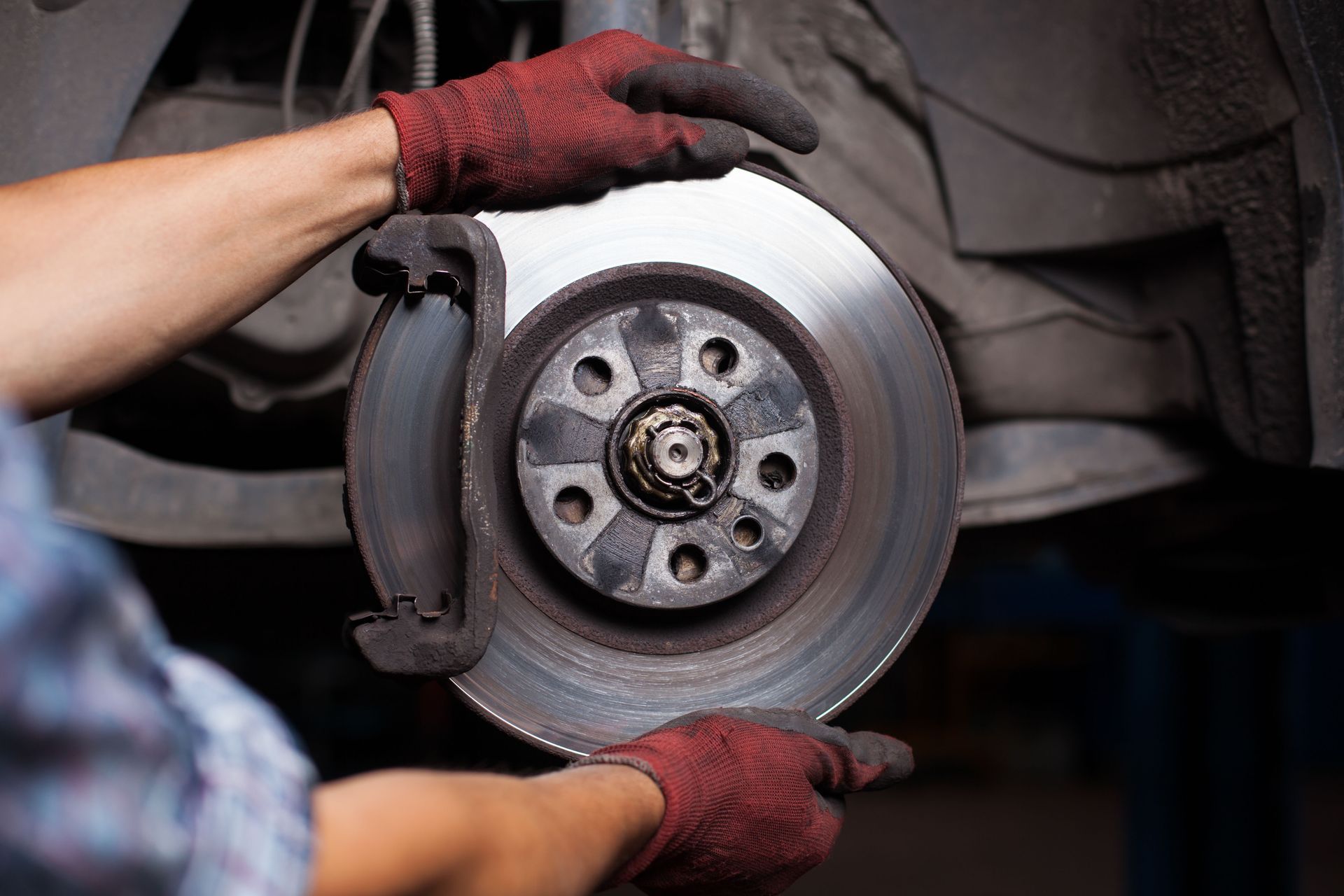
Brake systems are essential for both safety and overall driving confidence. Early warning signs of brake issues may include squeaking noises, vibration during braking, or reduced responsiveness when applying pressure to the pedal. Audi repairs related to braking systems often involve replacing worn pads, inspecting rotors, or addressing hydraulic system concerns. Ignoring early brake warning signs can lead to more extensive damage and reduced stopping performance. Regular observation of braking behavior helps ensure that issues are addressed before they compromise safety. A well-maintained braking system contributes significantly to overall vehicle reliability.
Monitoring Electrical System Malfunctions Carefully
Modern vehicles rely heavily on electrical systems to support performance, safety, and comfort features. Electrical issues may present themselves through dashboard warning lights, malfunctioning sensors, or inconsistent operation of interior and exterior systems. Audi repairs involving electrical components often require specialized diagnostic tools to accurately identify the source of the problem. Because electrical systems are interconnected, a single malfunction can sometimes affect multiple vehicle functions. Early detection of electrical issues helps prevent cascading system failures. Careful attention to warning indicators supports more efficient troubleshooting and repair processes.
Detecting Suspension Wear Through Driving Feel
The suspension system plays an important role in ride comfort, stability, and handling performance. Drivers may begin to notice suspension issues through uneven tire wear, excessive bouncing, or a rougher ride over normal road conditions. Audi repairs related to suspension systems often involve replacing worn components such as shocks, struts, or control arms. Changes in handling performance should be addressed promptly to maintain vehicle stability and driving comfort. A properly functioning suspension system helps ensure better control during turns and uneven road conditions. Monitoring your ride quality can help identify early signs of wear.
Observing Cooling System Performance for Engine Protection
The cooling system is essential for regulating engine temperature and preventing overheating. Early signs of cooling system issues may include rising temperature readings, coolant leaks, or reduced heater performance. Audi repairs involving cooling systems often focus on components such as radiators, water pumps, and thermostats. If cooling system concerns are not addressed early, they can lead to significant engine damage over time. Monitoring temperature behavior during normal driving conditions helps identify potential problems. Maintaining a properly functioning cooling system supports long-term engine health and performance.
Understanding Oil Consumption and Leak Patterns
Engine oil plays a vital role in lubrication and overall engine protection. Changes in oil consumption or visible leaks may indicate developing mechanical issues that require attention. Audi repairs related to oil systems often involve gasket replacements, seal repairs, or addressing internal engine wear. Early detection of oil-related issues can help prevent more serious engine damage. Regular observation of oil levels and condition can provide valuable insight into engine health. Proper lubrication is essential for maintaining long-term engine performance and efficiency.
Evaluating Steering Responsiveness for Safety Concerns
Steering systems are critical for maintaining control and ensuring safe vehicle operation. Early warning signs of steering issues may include stiffness, unusual noises when turning, or a lack of responsiveness. Audi repairs involving steering components often require inspection of power steering systems, linkages, or electronic assist mechanisms. Any changes in steering behavior should be addressed quickly to maintain driving safety. A properly functioning steering system ensures accurate control and smoother handling. Monitoring steering responsiveness helps identify potential issues before they become more serious.
Identifying Exhaust System Irregularities Early
The exhaust system plays an important role in emissions control, engine efficiency, and overall vehicle performance. Early signs of exhaust system issues may include unusual noises, decreased fuel efficiency, or visible emissions changes. Audi repairs involving exhaust systems often include addressing leaks, sensor malfunctions, or catalytic converter concerns. Ignoring exhaust system problems can lead to reduced performance and increased emissions output. Regular observation of exhaust behavior helps ensure that issues are identified early. A well-maintained exhaust system contributes to both environmental compliance and efficient vehicle operation.
Recognizing Tire Wear Patterns for Alignment Issues
Tire wear patterns can provide important insight into overall vehicle alignment and suspension health. Uneven or accelerated tire wear may indicate alignment issues or underlying mechanical concerns. Audi repairs associated with alignment often involve adjustments to suspension geometry or replacement of worn components. Monitoring tire condition regularly helps ensure balanced performance and improved driving stability. Proper alignment supports even tire wear and enhances overall vehicle handling. Early detection of wear patterns helps prevent more costly repairs later.
Monitoring Fuel Efficiency Changes Over Time
Fuel efficiency is often one of the first indicators of changing vehicle performance. A noticeable decrease in fuel economy may signal issues within the engine, fuel system, or emissions components. Audi repairs related to fuel efficiency often involve cleaning or replacing fuel injectors, sensors, or air intake components. Tracking fuel consumption over time can help identify gradual performance changes. Addressing efficiency concerns early helps maintain optimal engine performance. Improved fuel efficiency also contributes to reduced long-term operating costs.
Observing Climate Control System Performance Issues
Climate control systems contribute significantly to driver and passenger comfort. Early signs of system issues may include inconsistent airflow, weak heating or cooling performance, or unusual noises when operating the system. Audi repairs involving climate control systems often require inspection of compressors, refrigerant levels, or electronic controls. Addressing these issues early helps maintain interior comfort throughout changing weather conditions. A properly functioning climate system ensures consistent temperature regulation inside the vehicle. Monitoring system performance supports long-term reliability and comfort.
At Munich West Inc, we specialize in providing professional diagnostics and repair services tailored specifically for Audi vehicles. Our experienced technicians are trained to identify early warning signs and perform precise
Audi repairs that help maintain performance, safety, and reliability. We focus on delivering thorough inspections, accurate assessments, and dependable service solutions designed to address both minor concerns and complex mechanical issues. Whether you are experiencing early warning signs or need comprehensive system diagnostics, our team is here to help. Contact Munich West Inc today to schedule expert Audi repair services and keep your vehicle performing at its best.









Share On: